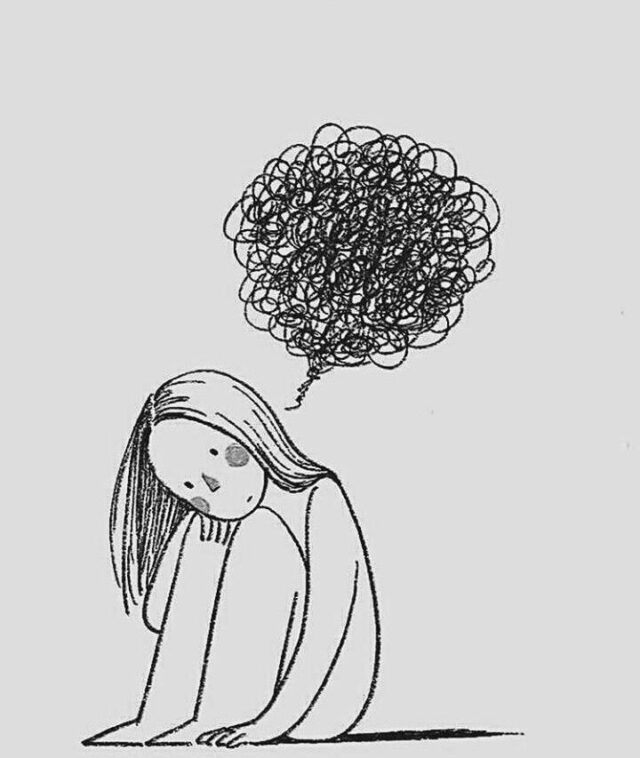
They Don’t Remember What Happened, But They Remember How They Felt
Childhood Is More Than a Collection of Memories
We often think of childhood memories as moments our children will remember forever — their first day at school, a birthday, a family trip, a prize they won, or even a mistake they made.
But children don’t always remember childhood through specific events. Sometimes, what stays with them is much simpler: a feeling.
They may not remember exactly what you said when they were upset. But they may remember whether they felt safe enough to cry.
They may not remember the day they made a mistake. But they may remember whether they felt ashamed of it or supported through it.
They may not remember every conversation you had with them. But they may remember what it felt like to be heard.
The Feeling Behind the Moment
A child might forget the details of being corrected, but remember feeling like they could never get anything right.
They might forget the exact words spoken during an argument, but remember feeling unheard.
They might forget the small moments when a parent sat beside them after a difficult day, but grow up carrying the feeling that home was a safe place to return to.
This is why the little moments matter.
Not because every interaction will become a permanent memory, but because repeated experiences quietly teach children what relationships feel like.
What We Say Becomes What They Feel
When a child hears, “It’s okay, you can try again,” they may learn that mistakes are not something to fear.
When they hear, “I’m listening,” they may learn that their thoughts matter.
When they are allowed to be angry, sad, confused, or afraid without being made to feel wrong for having those emotions, they may learn that feelings are safe to have.
And when they are constantly compared, dismissed, shouted at, or made to feel like their emotions are a problem, they may carry something very different — even if they eventually forget the exact moments that created it.
Years Later, What Stays?
One day, your child may not remember the conversation you had this morning.
They may not remember what you bought them, what you asked them to finish, or even what they were upset about.
But they may remember feeling understood.
They may remember feeling that they could come to you without being judged.
They may remember that their home was a place where they didn’t have to pretend to be okay.
Or, sometimes, they may carry the opposite feelings without knowing exactly where they came from.
So, What Are We Leaving Behind?
Parenting isn’t about creating a perfect childhood where every moment is handled perfectly. That isn’t possible.
There will be difficult conversations. There will be raised voices, misunderstandings, boundaries, and moments when we get it wrong.
What matters is what happens most often.
Because children don’t need perfect parents. They need relationships where they feel safe enough to be themselves, make mistakes, express their emotions, and know that they are still loved.
They may forget what happened.
But they will remember how it felt.
And perhaps, that is one of the most important things we can give a child — a childhood that feels safe, loved, heard, and remembered in the heart, even when the details fade.
<h3><strong
Life Beyond Books
At Life Beyond Books, we believe that every child deserves to feel heard, understood, and supported — beyond marks, grades, and expectations.
If something you read here made you think about your child, or if you feel they could use some support, you don’t have to figure it all out alone.
You can reach out to us by filling out the contact form below and sharing a little about what you’re noticing, what concerns you, or what you would like support with.
Once we hear from you, our team will get in touch to understand your concern and guide you on the next step.