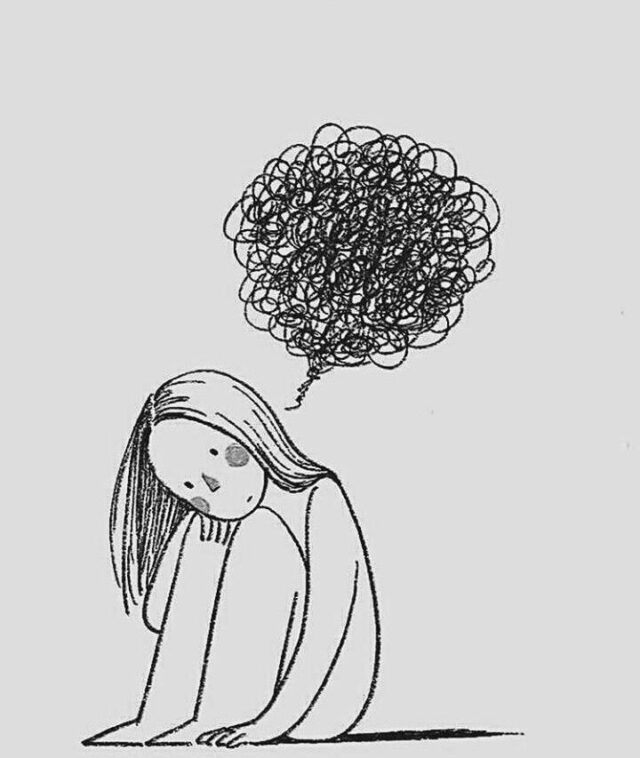
Why Is Saying “I’m Fine” Sometimes the Beginning of a Bigger Problem?
“I’m Fine.” But Are You Really?
How often have you said “I’m fine” when you were actually hurt, angry, disappointed, or simply overwhelmed?
Have you ever wanted someone to ask you again, “Are you sure?” but they just accepted your answer and moved on?
Sometimes, “I’m fine” isn’t an answer. It is a way of avoiding a conversation we don’t know how to have.
Why Do We Say It When We Aren’t Fine?
Maybe you don’t want to start an argument.
Maybe you’re afraid that explaining yourself will make things worse.
Maybe you feel like the other person should already know what’s wrong.
Or maybe you simply don’t know how to put your feelings into words.
So instead, you say, “I’m fine.”
But What Happens When We Keep Saying It?
The feeling doesn’t necessarily disappear just because we didn’t talk about it.
It can turn into overthinking.
It can turn into resentment.
It can make us emotionally distant.
And sometimes, the other person doesn’t even realise that something is wrong because we told them everything was fine.
Have You Ever Expected Someone to Notice Without Telling Them?
You become quieter.
You reply differently.
You stop initiating conversations.
You hope they will notice and ask what happened.
And when they don’t, you feel even more hurt.
But relationships can become confusing when we expect people to understand feelings that we haven’t communicated.
Maybe “I’m Fine” Needs a Different Ending
Instead of “I’m fine,” maybe we can say:
“I’m upset, but I need some time before I talk about it.”
“Something hurt me, and I want to talk about it.”
“I don’t know exactly what I’m feeling yet, but I’m not okay.”
We don’t always need to have the perfect words. Sometimes, simply being honest that something is wrong is enough to begin the conversation.
Ask Yourself
How often do you say “I’m fine” when you actually want someone to stay and ask again?
Are you communicating your feelings, or hoping someone will notice them?
And when you say “nothing happened,” is it really nothing—or is there a conversation you’re avoiding?
Sometimes, “I’m Fine” Is Where the Conversation Should Begin, Not End.
At Know You More by Megha Ahuja, we help you understand your emotions, communicate them better, and build healthier relationships with yourself and others. Because sometimes, understanding what you’re feeling is the first step towards knowing what you truly need.