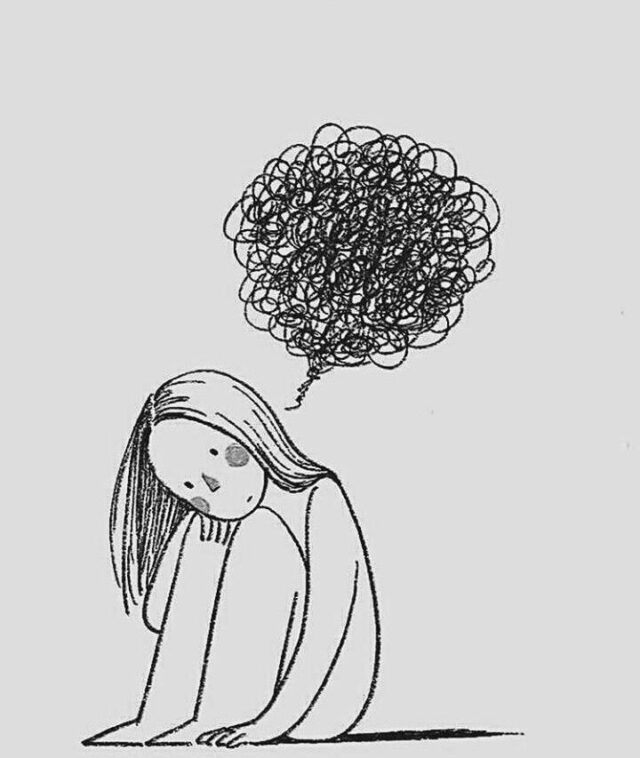
Why Children Say “I Don’t Know” So Often
“I don’t know.”
It’s one of the most common answers children give. But sometimes, “I don’t know” doesn’t actually mean they don’t know.
A child may say it when they are confused, worried about giving the wrong answer, unable to put their feelings into words, or simply need more time to think.
“I Don’t Know” Can Mean Many Things
Imagine asking your child, “Why did you do that?” and getting an immediate “I don’t know.”
It can be easy to assume that they are avoiding the question or not paying attention. But children are still developing the ability to understand their thoughts, emotions and actions.
Sometimes, “I don’t know” can actually mean:
“I don’t know how to explain it.”
“I’m scared you’ll be upset.”
“I need some time to think.”
“I’m confused about what I’m feeling.”
“I don’t want to give the wrong answer.”
When Fear of Being Wrong Takes Over
Children can become hesitant to express themselves when they feel that every answer has to be correct.
If they regularly hear corrections, comparisons or criticism, they may start avoiding answers altogether. Saying “I don’t know” can feel safer than saying something and getting it wrong.
This is why creating an environment where children can think aloud, make mistakes and express themselves without fear is so important.
Give Them Space to Find Their Words
Instead of immediately asking another question or giving them the answer, try giving them a little time.
You can say, “That’s okay. Take your time.”
Or try making the question easier to approach: “Are you feeling angry, confused or upset?”
Small changes like these can help children slowly become more comfortable identifying and communicating what is happening inside their minds.
Build Confidence Beyond the Classroom
Confidence is not only about speaking loudly or answering questions correctly.
It is also about being able to say, “I’m confused,” “I need help,” “I feel uncomfortable,” or “I need some time to think.”
When children develop emotional awareness, communication skills and the confidence to express themselves, they become better equipped to navigate everyday situations—not just academic ones.
What Can Parents Do?
Listen before correcting.
Give your child time to think.
Ask open-ended questions without making them feel tested.
Let them know that not having an immediate answer is okay.
Most importantly, make conversations feel safe enough for them to be honest.
Because Sometimes “I Don’t Know” Is the Beginning, Not the End
A child who says “I don’t know” may simply need someone to help them find the words.
And when we give them that space, we are not just helping them answer a question—we are helping them understand themselves.
At Life Beyond Books, we focus on building confidence, communication, emotional awareness and practical life skills so children can express themselves and navigate life with greater confidence.
Want to explore our sessions for your child? Get in touch with us to know more or enquire about a free first session.