The Difference Between Discipline and Fear
We often say, “My child needs discipline.”
But sometimes, what we call discipline is actually fear.
There is a difference between a child who follows a rule because they understand it and a child who follows it because they are scared of what will happen if they don’t.
Discipline Teaches. Fear Controls.
Healthy discipline helps a child understand boundaries, consequences, responsibility, and respect. It gives them the ability to make better choices even when no one is watching.
Fear, on the other hand, makes a child focus on avoiding punishment.
“What will happen if I do this?” becomes more important than “Why is this right or wrong?”
What Does Healthy Discipline Look Like?
Healthy discipline is not about being strict all the time. It is about being consistent, clear, and emotionally available.
It sounds like:
“I understand that you are angry, but hitting is not okay.”
“You can disagree with me, but we still need to speak respectfully.”
“There will be a consequence because of the choice you made, and we can talk about what happened.”
The message is clear: Your behaviour has consequences, but your emotions are still safe with me.
When Discipline Becomes Fear
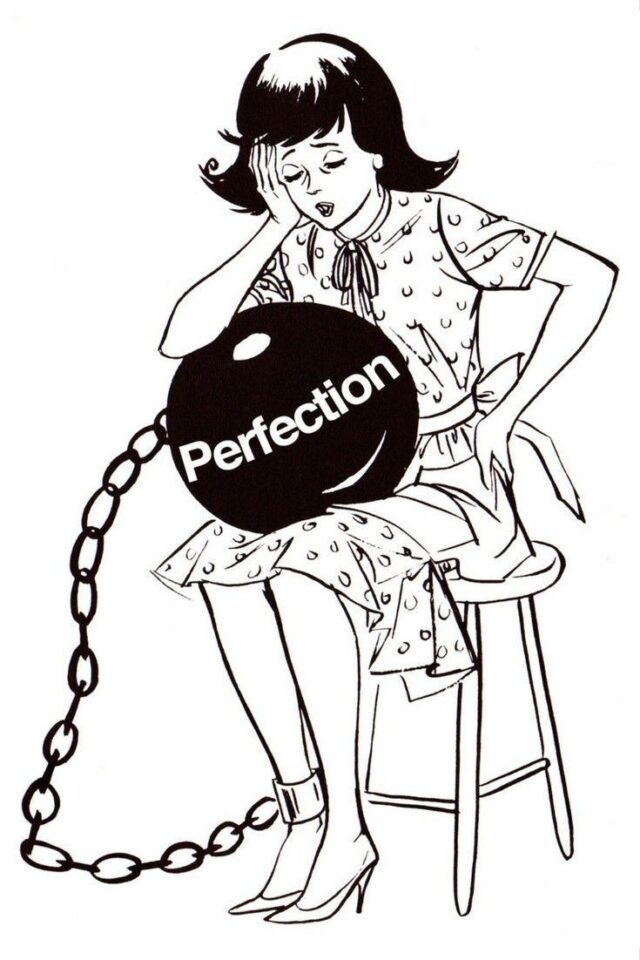
Discipline can turn into fear when a child is constantly threatened, shamed, compared, humiliated, or punished for expressing themselves.
A child may then become extremely obedient—but obedience does not always mean understanding.
Sometimes, it simply means they have learned how to avoid getting into trouble.
What Happens When a Child Is Afraid?
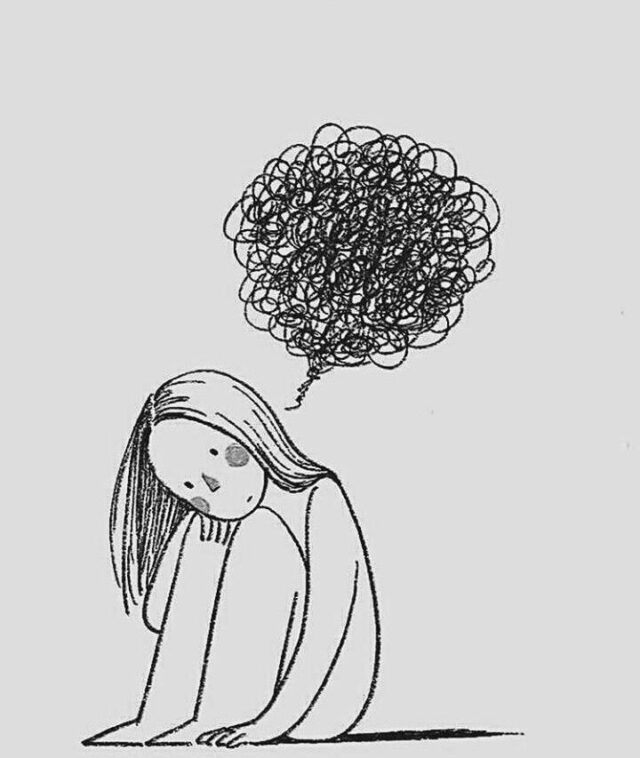
A fearful child may stop asking questions.
They may hide their mistakes instead of learning from them.
They may struggle to express disagreement.
They may become dependent on external approval to decide whether they are doing something “right.”
And eventually, they may behave differently around authority figures and differently when no one is watching.
The Goal Is Not a Scared Child
The goal of parenting is not to raise a child who says, “I will never do this because my parents will be angry.”
The goal is to raise a child who can say, “I know why this is not right, and I can make a better choice even when nobody is watching.”
That is where discipline becomes meaningful.
Discipline Builds the Inner Voice
Children eventually grow beyond our supervision. We cannot always be there to tell them what to do, what not to do, or what choice to make.
What stays with them is the inner voice they develop.
Fear says, “Don’t get caught.”
Healthy discipline teaches, “Understand your choice.”
And that difference can shape how a child handles mistakes, relationships, responsibility, and life itself.
Discipline Should Create Understanding, Not Fear.
A child does not need to be afraid of you to respect you.
They need to feel safe enough to learn from you.
The Difference Between Discipline and Fear
We often say, “My child needs discipline.”
But sometimes, what we call discipline is actually fear.
There is a difference between a child who follows a rule because they understand it and a child who follows it because they are scared of what will happen if they don’t.
Discipline Teaches. Fear Controls.
Healthy discipline helps a child understand boundaries, consequences, responsibility, and respect. It gives them the ability to make better choices even when no one is watching.
Fear, on the other hand, makes a child focus on avoiding punishment.
“What will happen if I do this?” becomes more important than “Why is this right or wrong?”
What Does Healthy Discipline Look Like?
Healthy discipline is not about being strict all the time. It is about being consistent, clear, and emotionally available.
It sounds like:
“I understand that you are angry, but hitting is not okay.”
“You can disagree with me, but we still need to speak respectfully.”
“There will be a consequence because of the choice you made, and we can talk about what happened.”
The message is clear: Your behaviour has consequences, but your emotions are still safe with me.
When Discipline Becomes Fear
Discipline can turn into fear when a child is constantly threatened, shamed, compared, humiliated, or punished for expressing themselves.
A child may then become extremely obedient—but obedience does not always mean understanding.
Sometimes, it simply means they have learned how to avoid getting into trouble.
What Happens When a Child Is Afraid?
A fearful child may stop asking questions.
They may hide their mistakes instead of learning from them.
They may struggle to express disagreement.
They may become dependent on external approval to decide whether they are doing something “right.”
And eventually, they may behave differently around authority figures and differently when no one is watching.
The Goal Is Not a Scared Child
The goal of parenting is not to raise a child who says, “I will never do this because my parents will be angry.”
The goal is to raise a child who can say, “I know why this is not right, and I can make a better choice even when nobody is watching.”
That is where discipline becomes meaningful.
Discipline Builds the Inner Voice
Children eventually grow beyond our supervision. We cannot always be there to tell them what to do, what not to do, or what choice to make.
What stays with them is the inner voice they develop.
Fear says, “Don’t get caught.”
Healthy discipline teaches, “Understand your choice.”
And that difference can shape how a child handles mistakes, relationships, responsibility, and life itself.
At Life Beyond Books
At Life Beyond Books, we believe that a child’s development goes beyond academics. Emotional understanding, communication, confidence, decision-making, and the ability to handle real-life situations are equally important.
Our approach focuses on helping children understand themselves rather than simply teaching them what to do. Because when children understand the “why” behind their actions, discipline slowly becomes self-discipline.
And that is a skill they can carry far beyond the classroom.
Discipline Should Create Understanding, Not Fear.
A child does not need to be afraid of you to respect you.
They need to feel safe enough to