When Silence Speaks: Understanding What Your Child Isn’t Saying
Sometimes, “I’m Fine” Says More Than You Think
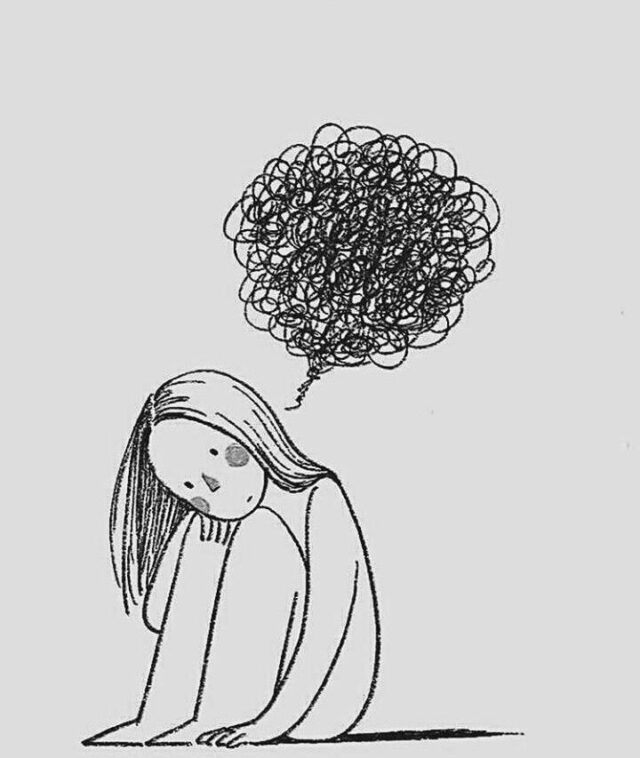
When children become unusually quiet, avoid conversations, or simply say “I’m fine,” it can be easy to assume that nothing is wrong. But silence is often a form of communication too.
Children may not always have the words, confidence, or emotional safety to explain what they are feeling. Their silence can sometimes reflect worry, confusion, fear of judgment, disappointment, or simply the need for space.
Why Do Children Stop Sharing?
There can be many reasons behind a child becoming less communicative. They may fear being scolded, misunderstood, compared with others, or told that their problem is “not a big deal.”
Sometimes, children have tried sharing before and felt that their emotions were dismissed. Over time, they learn to keep things to themselves.
The Way We Respond Matters
When a child finally opens up, immediately giving advice, correcting them, or asking too many questions can make them withdraw again.
Instead of saying, “Why did you do that?” try creating space with something as simple as, “I’m listening. You can tell me whenever you’re ready.”
The goal is not to force a conversation. It is to make the child feel safe enough to start one.
Look Beyond the Words
A child may communicate through behaviour before they communicate through words.
Changes in sleep, irritability, loss of interest, avoiding school, becoming unusually withdrawn, or frequent emotional outbursts can sometimes indicate that something deeper needs attention.
These behaviours do not automatically mean that something is seriously wrong, but they are worth noticing rather than simply labelling as “bad behaviour.”
How Can Parents Create a Safe Space?
Listen without immediately judging or fixing.
Give your child regular moments of one-on-one connection, even when there is no problem to discuss.
Ask open-ended questions instead of interrogating them.
Respect their feelings, even when you do not agree with their perspective.
And most importantly, remind them that they can come to you without being afraid of your reaction.
When Professional Support Can Help
If a child remains withdrawn for a prolonged period, shows significant changes in behaviour, struggles with school or relationships, or seems unable to express what they are going through, professional support can provide a safe space to understand what lies beneath the behaviour.
Child counselling is not about finding fault with the child. It is about understanding their emotional world and helping both the child and the parent respond to it better.
Your Child May Not Always Say It — But They May Still Be Saying Something
Sometimes, children do not need another lecture.
They need someone who notices.
Someone who listens.
Someone who makes it safe to speak.
Because behind silence, there is often a story waiting to be understood.
Life Beyond Books focuses on helping children and parents understand emotions, communication, confidence, and behaviour beyond what is visible on the surface.