The Psychology Behind “I Don’t Want to Bother Them”
Have you ever wanted to text someone, ask for help, share something that happened, or simply talk to them—but then stopped yourself because you thought, “I don’t want to bother them”?
Sometimes, we genuinely give people space because we respect their time and boundaries. But sometimes, “I don’t want to bother them” is less about the other person being busy and more about what we believe our needs mean.
It can come from overthinking, fear of rejection, people-pleasing, or simply being uncomfortable asking for emotional support.
When Caring Turns Into Holding Yourself Back
Being considerate is healthy. We all need to understand that other people have their own responsibilities, emotions, and limits.
But there is a difference between being considerate and constantly minimizing your own needs.
If you regularly think, “They probably have better things to do,” “I’ll tell them later,” or “I don’t want to make things difficult for them,” you may slowly start keeping your thoughts and feelings to yourself.
Over time, this can create emotional distance—not necessarily because someone pushed you away, but because you never gave them the opportunity to be there for you.
Why Do We Feel Like We’re Bothering People?
One reason is the fear of being rejected or perceived as needy. You may worry that asking for attention or support will make you seem demanding.
Another reason can be people-pleasing. When we become very focused on keeping others comfortable, we may start believing that our own needs should always come second.
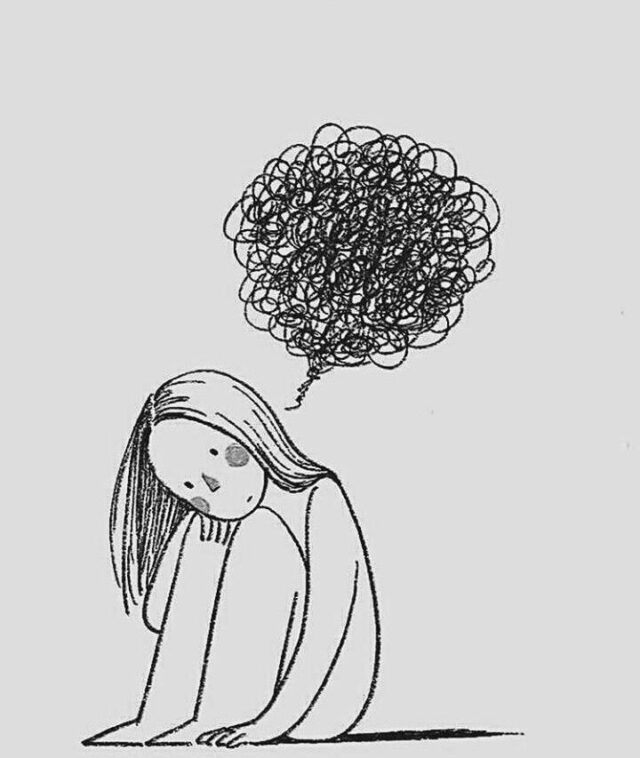
Overthinking can make this even stronger. A simple thought like “Should I text them?” can turn into a long chain of assumptions: “What if they’re busy? What if they don’t want to talk? What if I’m annoying them?”
Eventually, we may decide what the other person feels without actually asking them.
Sometimes, We Confuse Independence With Not Needing Anyone
Being independent does not mean handling everything alone.
Healthy relationships involve giving and receiving support. Sometimes you will be the person listening, and sometimes you will need someone to listen to you.
Allowing someone to support you does not automatically make you dependent. It can simply mean that you trust the relationship enough to be honest about what you need.
“I Don’t Want to Bother Them” Can Hide a Deeper Thought
Sometimes the sentence underneath “I don’t want to bother them” is actually, “What if they don’t want to hear from me?”
Or, “What if my feelings are too much?”
Or even, “What if they would rather not deal with me?”
These thoughts can feel like facts when we repeat them often. But a thought is not always evidence.
Instead of assuming how someone feels, it can be healthier to give them the choice to respond. They may be busy. They may need time. Or they may genuinely be happy that you reached out.
How This Affects Relationships
When someone constantly hides their needs, the people around them may not even realize that something is wrong.
This can lead to misunderstandings. You may feel unsupported while the other person believes everything is fine because you never told them you needed support.
Healthy communication creates space for both people to express their needs without expecting the other person to read their mind.
What Can You Do Instead?
Start by noticing the thought before automatically acting on it. Ask yourself: “Do I actually have evidence that I’m bothering them, or am I assuming it?”
Then communicate instead of guessing. A simple message such as, “Are you free to talk?” gives the other person a choice while also allowing you to express your need.
You can also remind yourself that someone being unavailable does not necessarily mean they do not care. People can be busy, tired, or occupied and still value the relationship.
You’re Allowed to Have Needs
Being considerate of others is a strength. But constantly making yourself smaller so that nobody feels inconvenienced can become exhausting.
Healthy relationships are not built around never needing anything from each other. They are built through communication, mutual understanding, boundaries, and the freedom to ask for support.
So the next time you think, “I don’t want to bother them,” pause for a moment.
Maybe you do need to give them space. But maybe you simply need to give yourself permission to reach out.
Final Thought
You don’t always have to decide for someone else whether your presence is a burden. Let people communicate their own boundaries. Your job is to express your needs respectfully—not to disappear before anyone gets the chance to respond.
At Know You More
At Know You More, we believe understanding yourself is the first step towards building healthier relationships—with yourself and with others.
Through psychology-based guidance and counselling, we help you understand your emotions, communication patterns, relationships, and the thoughts that influence the way you respond to everyday situations.
Because sometimes, the goal isn’t to stop feeling. It’s to understand what you’re feeling and learn how to express it in a healthier way.
Connect with us: https://meghaahuja.com/about-us/contact/