You finish something.
You look at it.
It’s good. Maybe even really good.
But then you notice one tiny thing that could be better.
So you change it.
And then you notice something else.
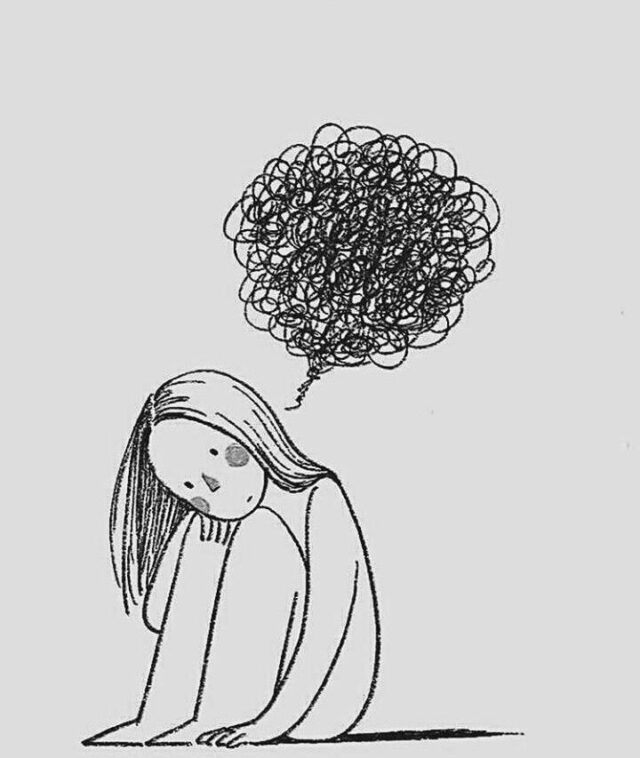
Before you know it, you’re rewriting, rechecking, editing, comparing, or starting all over again.
Not because something is actually wrong — but because your mind keeps asking, “Could this be better?”
When “better” quietly becomes “perfect”
Wanting to improve something isn’t a bad thing. In fact, having high standards can help us learn, grow and do meaningful work.
The problem begins when there is no real finish line.
You don’t stop when something is good. You stop only when it feels impossible to find another flaw.
And that can be exhausting.
Because there will almost always be something you could change. Another sentence could sound better. Another decision could have been made differently. Another version of your work might look slightly better.
Perfectionism can turn a simple question — “Is this good?” — into an endless search for everything that might be wrong.
But what are you really afraid of?
Sometimes, perfectionism isn’t really about wanting things to be perfect.
It can be about what you think will happen if they aren’t.
Maybe you’re afraid of making a mistake.
Maybe you’re worried about being judged.
Maybe you’ve started believing that getting something wrong says something about you — that you’re not capable enough, smart enough, or good enough.
So fixing the work becomes a way of protecting yourself from that feeling.
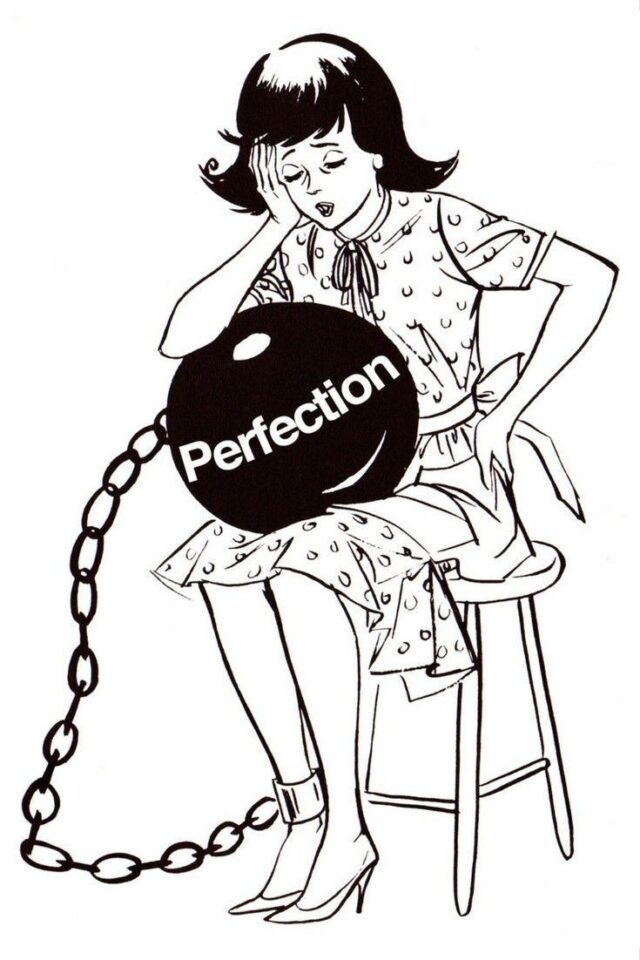
And suddenly, “I just want to do it well” can become “I cannot afford to get this wrong.”
When perfection starts getting in the way
Ironically, the more perfect you feel something has to be, the harder it can become to actually finish it.
You might spend an hour choosing the “right” way to begin instead of beginning.
You might keep editing something that was already complete.
You might avoid trying something new because you know you won’t be immediately good at it.
And sometimes, you might procrastinate — not because you don’t care, but because caring so much makes starting feel risky.
Perfectionism can look like ambition from the outside.
But on the inside, it can feel a lot more like pressure.
So, what if you left it alone?
The next time you catch yourself fixing something that is already fine, pause for a moment.
Ask yourself:
“Am I actually improving this, or am I just trying to make the discomfort of ‘not perfect’ go away?”
There’s a difference.
Sometimes the next edit genuinely makes something better.
And sometimes, you’re simply looking for permission to finally say, “This is enough.”
Good enough is not giving up
Choosing “good enough” doesn’t mean lowering every standard or stopping yourself from growing.
It means recognising that your work does not have to be flawless to have value.
You can make mistakes and still be capable.
You can improve without constantly criticising yourself.
You can care about doing well without making perfection the price of your self-worth.
Sometimes, the most useful thing you can do is stop fixing what isn’t broken — and let yourself move on.
Maybe the goal isn’t to do everything perfectly.
Maybe it’s to feel comfortable enough with yourself to know when something is already enough.
At Know You More, we believe understanding the patterns behind our thoughts and behaviours is an important part of understanding ourselves. Sometimes, what looks like procrastination, overthinking or self-criticism has a deeper story underneath it.
And getting to know that story can be the beginning of changing the way we relate to ourselves.
Connect with us: https://meghaahuja.com/about-us/contact/