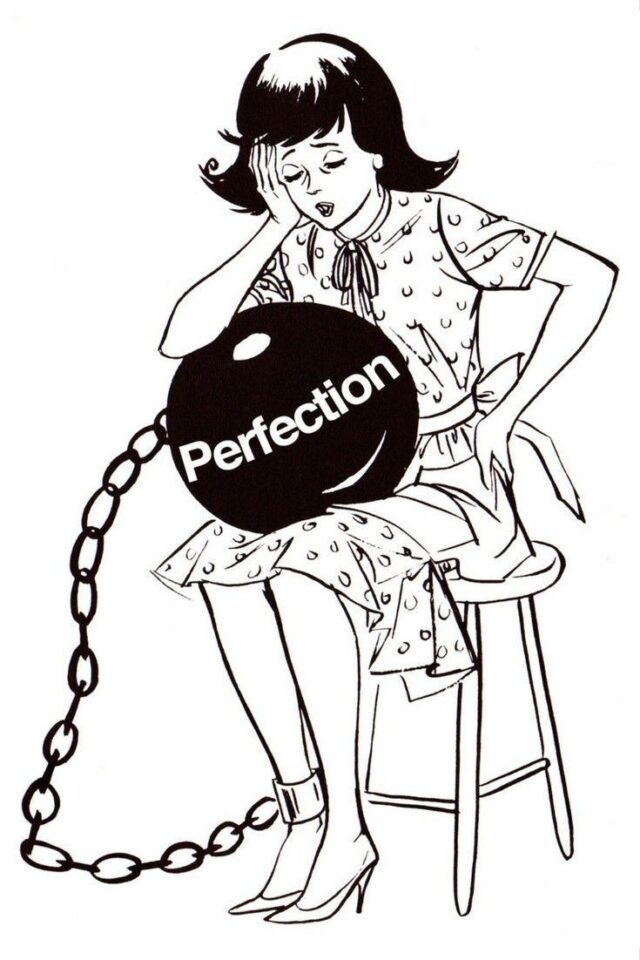
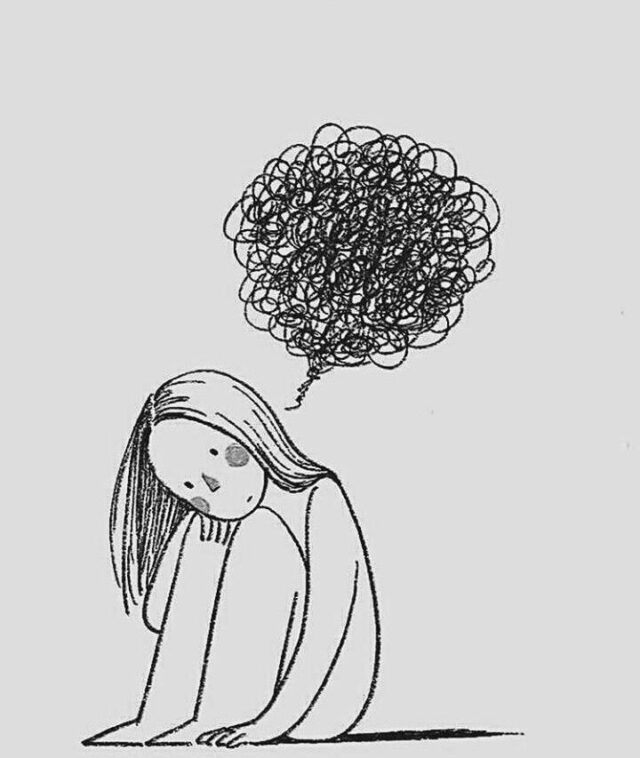
Somewhere Along the Way, We Started Seeking Approval
Think about the last time you made a decision and immediately wondered, “What will people think?”
Maybe it was something as simple as what you wanted to wear, what you wanted to study, a career you were considering, a photo you wanted to post, or even an opinion you wanted to share.
Sometimes, before asking ourselves whether we actually like something, we first think about whether someone else will like it.
And it’s interesting because most of us don’t consciously decide to live this way.
It happens slowly.
As children, we are constantly learning through the reactions of the people around us.
We learn that certain things make adults happy. Good marks get appreciation. Being obedient gets praise. Being “well-behaved” gets approval. Making the right choice gets a “good job.”
And there is nothing inherently wrong with that. Children need encouragement, guidance and boundaries.
But somewhere along the way, we can begin connecting approval with our sense of worth.
We start learning that being praised feels good.
Being criticised feels uncomfortable.
Being accepted feels safe.
And being rejected can feel like something is wrong with us.
So we begin adjusting ourselves.
We say what people want to hear.
We choose what sounds impressive.
We hide the things that might invite judgement.
We sometimes even become a version of ourselves that gets the most approval.
And social media has made this even more complicated.
Now, approval can be counted.
Likes. Views. Comments. Followers. Shares.
A number can suddenly make us feel attractive, interesting, successful or important.
And when that number is lower than we expected, we can start questioning ourselves.
But external validation is tricky.
Because the more we depend on it, the more we need it.
One compliment feels good today, but tomorrow we may need another one.
One achievement makes us proud, but soon we need the next achievement to feel worthy again.
That’s when approval stops being something we enjoy and starts becoming something we depend on.
And sometimes, this shows up in very small ways.
You finish something you’re proud of, but instead of enjoying it, you immediately look for someone else’s reaction.
You make a decision you were comfortable with, until someone questions it.
You receive ten compliments, but one negative comment stays in your head all day.
You know what you want to say, but you keep editing yourself because you’re afraid of how it might sound.
That isn’t necessarily because you are insecure.
Sometimes, it’s simply because you’ve spent years learning to look outside yourself for reassurance.
And this is especially important for children and teenagers.
When every choice they make is constantly judged, corrected or compared, they may slowly stop trusting their own judgement.
They may become very good at asking, “What should I do?” while struggling to answer, “What do I actually want?”
This is why giving children a voice matters.
Not because they should make every decision on their own.
But because they need opportunities to express preferences, make age-appropriate choices, make mistakes and learn from them.
Because confidence doesn’t come from always making the “right” choice.
It comes from knowing that you can make a choice, handle the outcome and still trust yourself.
As adults, we have to relearn this too.
We have to pause before asking, “Will they approve?” and sometimes ask a different question:
“Do I approve of this?”
Do I actually want this?
Does this feel right for me?
Am I choosing this because it matters to me, or because I want to be seen a certain way?
Because not everyone is going to understand your choices.
Not everyone is going to agree with you.
And not everyone is going to like you.
That doesn’t automatically mean you’re doing something wrong.
Maybe growing up is partly about learning to sit with that discomfort.
To be okay with not always being understood.
To appreciate praise without depending on it.
To listen to advice without losing your own voice.
And most importantly, to slowly build a relationship with yourself where your own opinion starts to matter too.
Because somewhere along the way, we started seeking approval.
Maybe growing means finding our way back to trusting ourselves.
You Don’t Have to Figure It All Out Alone
Sometimes, understanding why we seek validation is the first step towards changing our relationship with it.
If you find yourself constantly seeking approval, struggling with self-trust, or feeling caught between what you want and what others expect from you, talking to someone can help.
At Know you more, we create a safe space to understand these patterns, explore what’s underneath them, and build a healthier relationship with yourself.
If this feels like something you or someone you know is going through, you can reach out to us.
You deserve to feel secure in who you are — even when nobody else is validating it.
Contact us: https://meghaahuja.com/about-us/contact/