“I’ll Do It Later” — Understanding Procrastination
“I’ll do it later.”
How many times have we heard a child say this?
Homework? Later.
Cleaning their room? Later.
That project they were supposed to start three days ago? Definitely… later.
It can be tempting to call it laziness.
But what if it isn’t?
Sometimes, “Later” Is More Complicated Than It Sounds
Procrastination is not simply about refusing to do something.
Sometimes, a child genuinely wants to finish the task — they just keep putting it off.
They might think:
“I don’t know where to start.”
“This is going to take forever.”
“I’ll do it when I feel like it.”
“What if I can’t do it properly?”
And suddenly, “later” becomes tomorrow… and tomorrow becomes next week.
What Is Procrastination, Really?
Procrastination means delaying something even when we know it needs to be done.
For children, this can happen with homework, school projects, chores, getting ready, practising a skill, or even having a difficult conversation.
The interesting part?
Children often aren’t avoiding the task itself.
They may be avoiding the feeling that comes with it.
“This Feels Too Hard.”
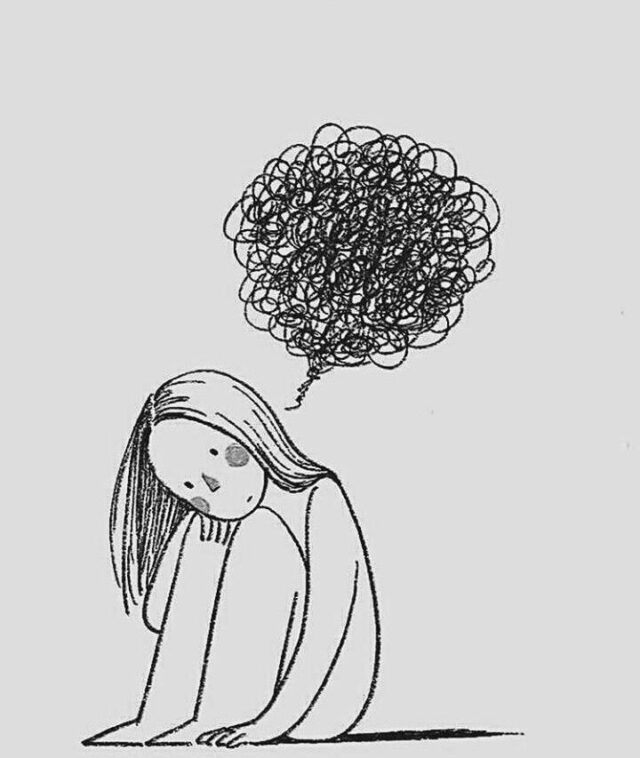
A task can feel overwhelming before a child even begins it.
A big project can look like a mountain.
A long chapter can feel impossible to finish.
And when something feels too big, the easiest thing to do can be… nothing.
So instead of starting, the child reaches for something easier.
A game.
A snack.
A conversation.
Anything that doesn’t require them to face the difficult task right now.
That doesn’t necessarily mean they don’t care.
Sometimes, they simply don’t know how to break the task into smaller, manageable steps.
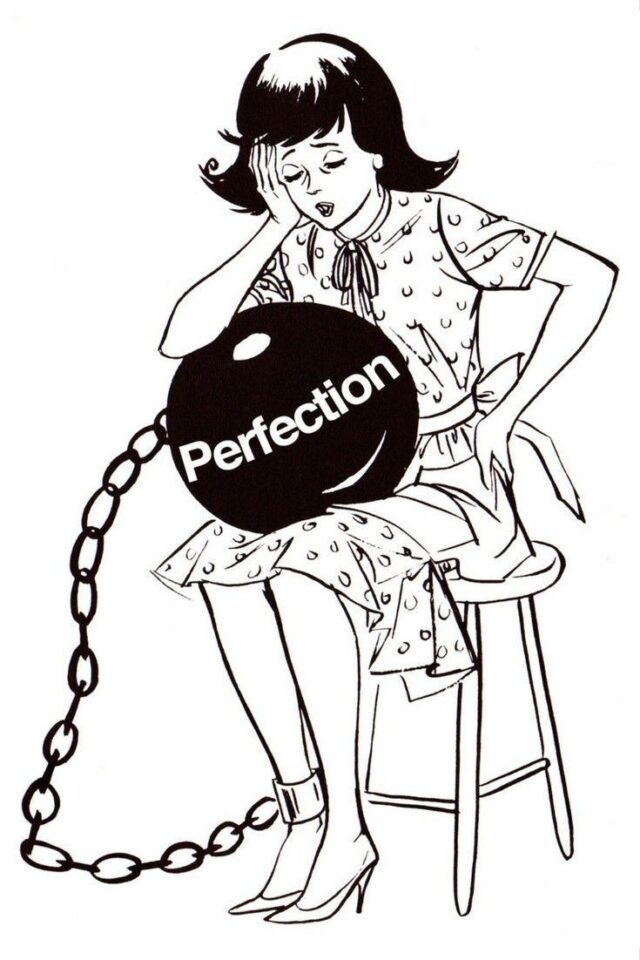
Sometimes, “Later” Means “I’m Scared I Won’t Get It Right.”
Perfectionism can look surprisingly similar to procrastination.
A child who is worried about making mistakes may keep delaying the beginning.
Because as long as they haven’t started, they haven’t had the chance to get it wrong.
They might think:
“What if my answer is wrong?”
“What if everyone else does it better?”
“What if I disappoint someone?”
So “I’ll do it later” becomes a way of avoiding that uncomfortable feeling.
And Sometimes… It Really Is About Motivation
Not every delay has a deep emotional reason.
Sometimes, a child simply doesn’t want to do a boring or repetitive task.
And that’s normal too.
Learning to manage tasks even when we don’t feel motivated is an important life skill.
Children won’t always feel like doing homework, practising, organising their things, or completing responsibilities.
Learning how to begin anyway is something they can gradually develop.
So, What Can Parents Do?
Instead of repeatedly asking, “Why haven’t you done it yet?” try helping your child figure out what is stopping them.
Ask:
“What’s making this difficult to start?”
“Which part feels the hardest?”
“Should we break it into smaller steps?”
Sometimes, the solution is much smaller than we expect.
Instead of:
“Finish your entire project.”
Try:
“Let’s just figure out the first step.”
Starting can feel much easier when the whole task doesn’t have to be solved at once.
Don’t Make “Lazy” Their Identity
There’s a big difference between saying:
“You haven’t finished your work yet.”
and saying:
“You’re so lazy.”
The first talks about a behaviour.
The second can start to feel like a label.
When children repeatedly hear that they’re lazy, they may begin to see themselves that way.
Instead, help them understand the behaviour.
Maybe they need help getting started.
Maybe the task feels overwhelming.
Maybe they are distracted.
Maybe they are worried about making mistakes.
Understanding the reason gives you something you can actually work on.
What If We Changed the Question?
Instead of asking:
“Why do you always do everything later?”
Try asking:
“What would make it easier for you to start?”
That small change can shift the conversation from blame to problem-solving.
And that’s where real learning can begin.
Because Procrastination Isn’t Just About Time
It can be about emotions.
Confidence.
Motivation.
Fear of failure.
Feeling overwhelmed.
Or simply not knowing where to begin.
Helping children understand what is behind their “I’ll do it later” can teach them something far more useful than simply getting the task done.
It teaches them how to recognise what is holding them back — and how to take the first step anyway.