Why Does Saying “No” Feel So Difficult?
Have you ever noticed how easily some children say “NO!” to their parents…
…but suddenly become very quiet when they need to say no to a friend?
Maybe they don’t want to join a game.
Maybe they don’t want to share something.
Maybe they don’t want to hug someone.
Maybe they simply don’t want to do what everyone else is doing.
And yet, instead of saying no, they say:
“Okay…”
Why does that happen?
Because Saying No Is Not Just About the Word
For a child, saying no can feel like much more than refusing something.
It can feel like:
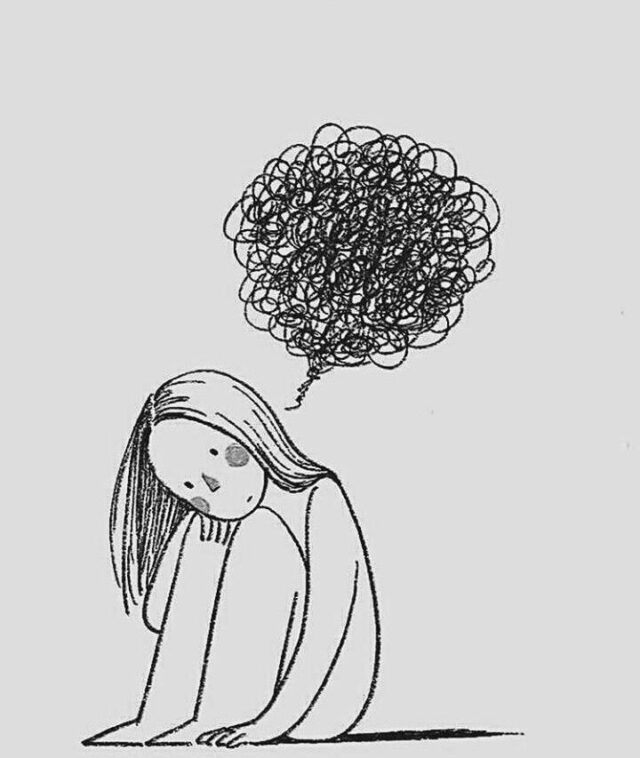
“What if they get angry?”
“What if they don’t like me anymore?”
“What if I hurt their feelings?”
“What if everyone thinks I’m rude?”
And suddenly, a simple two-letter word doesn’t feel so simple anymore.
“Be Nice” Can Sometimes Become “Always Say Yes”
Children are constantly learning how to behave around others.
They hear:
Be nice.
Share.
Listen.
Don’t hurt anyone’s feelings.
These are valuable lessons.
But sometimes, children unintentionally take away a different message:
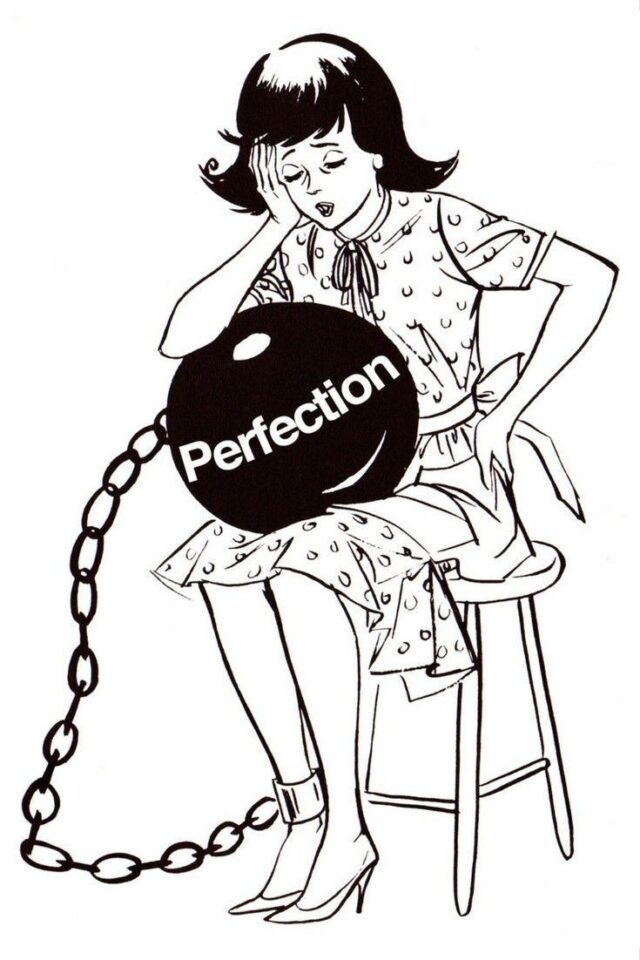
“Being a good person means keeping everyone else happy.”
And if keeping someone happy means saying yes, they may start saying yes even when they don’t really want to.
The Fear Behind the “Yes”
Think about a child who doesn’t want to give their favourite toy to a friend.
They know they don’t want to.
But they also know their friend might feel disappointed.
So what do they do?
They hand it over.
Not because they changed their mind.
But because they were more worried about someone else’s reaction than their own feelings.
That is where learning to set boundaries becomes important.
Children Need to Know: “I Can Say No.”
Not every “no” is rude.
Not every “no” is selfish.
And not every “no” needs a long explanation.
Sometimes, “No, I don’t want to” is enough.
Children can be taught that they can disagree while still being respectful.
They can say:
“I don’t feel comfortable with that.”
“I’d rather not.”
“No, thank you.”
“I don’t want to do that right now.”
These aren’t signs of a difficult child.
They are signs of a child learning to communicate.
.
But What If Someone Gets Upset?
This is often the hardest part.
Children may believe:
“If someone is upset because I said no, I must have done something wrong.”
But that’s not always true.
Someone can be disappointed with a decision without that decision being wrong.
Learning this takes time.
It means helping children understand the difference between:
being responsible for someone’s feelings
and
being respectful of someone’s feelings.
You can care about someone without always saying yes to them.
Saying No Starts With Knowing What You Feel
How can a child communicate a boundary if they don’t even know what their boundary feels like?
That’s why emotional awareness comes first.
A child needs to recognise:
“I don’t like this.”
“This is making me uncomfortable.”
“I need some space.”
“I actually don’t want to do this.”
Once they can recognise the feeling, they can begin putting it into words.
So, How Can Parents Help?
Don’t wait for a big situation to teach this skill.
Start with everyday moments.
Ask:
“Do you want to do this now or later?”
“Would you like to join them?”
“Are you comfortable with that?”
And sometimes, let your child say no.
You don’t have to agree with every decision.
But you can show them that having a different answer doesn’t make them a bad child.
And Here’s Something We Often Forget…
Children don’t learn boundaries only from what we tell them.
They learn them from what they experience.
If a child says no and is immediately labelled:
“You’re being rude.”
“Don’t be difficult.”
“Just do it.”
They may learn to silence themselves.
But when a child is given space to express disagreement respectfully, they slowly learn:
My voice matters.
My feelings matter.
I can be kind without always saying yes.
Because Confidence Isn’t Always Loud
Sometimes confidence looks like speaking up in front of everyone.
And sometimes…
…it looks like a quiet child finally saying:
“No. I don’t want to.”
That little word can carry a lot.
It can mean:
I know what I’m comfortable with.
I know what I don’t want.
I’m allowed to have boundaries.
And perhaps most importantly—
I know that being a good person doesn’t mean saying yes to everything.
Take the Next Step With Life Beyond Books
At Life Beyond Books, we create a safe and supportive space where children can understand their emotions, build confidence, communicate better, and develop practical life skills that go beyond textbooks.
If you’d like to explore how our sessions can support your child, you’re invited to experience a free first session at Life Beyond Books, Meerut.
📍 Life Beyond Books, Meerut
📞 Contact Megha Ahuja: https://meghaahuja.com/about-us/contact/
Give your child the space to express, explore, and grow.🤍
S